






Dermatology · Vitiligo Treatment
Suction Blister
Grafting
A minimally invasive surgical procedure used to treat stable vitiligo by transferring thin layers of pigmented skin from a donor site to depigmented areas, ensuring better color match and natural-looking repigmentation.
Book a Consultation →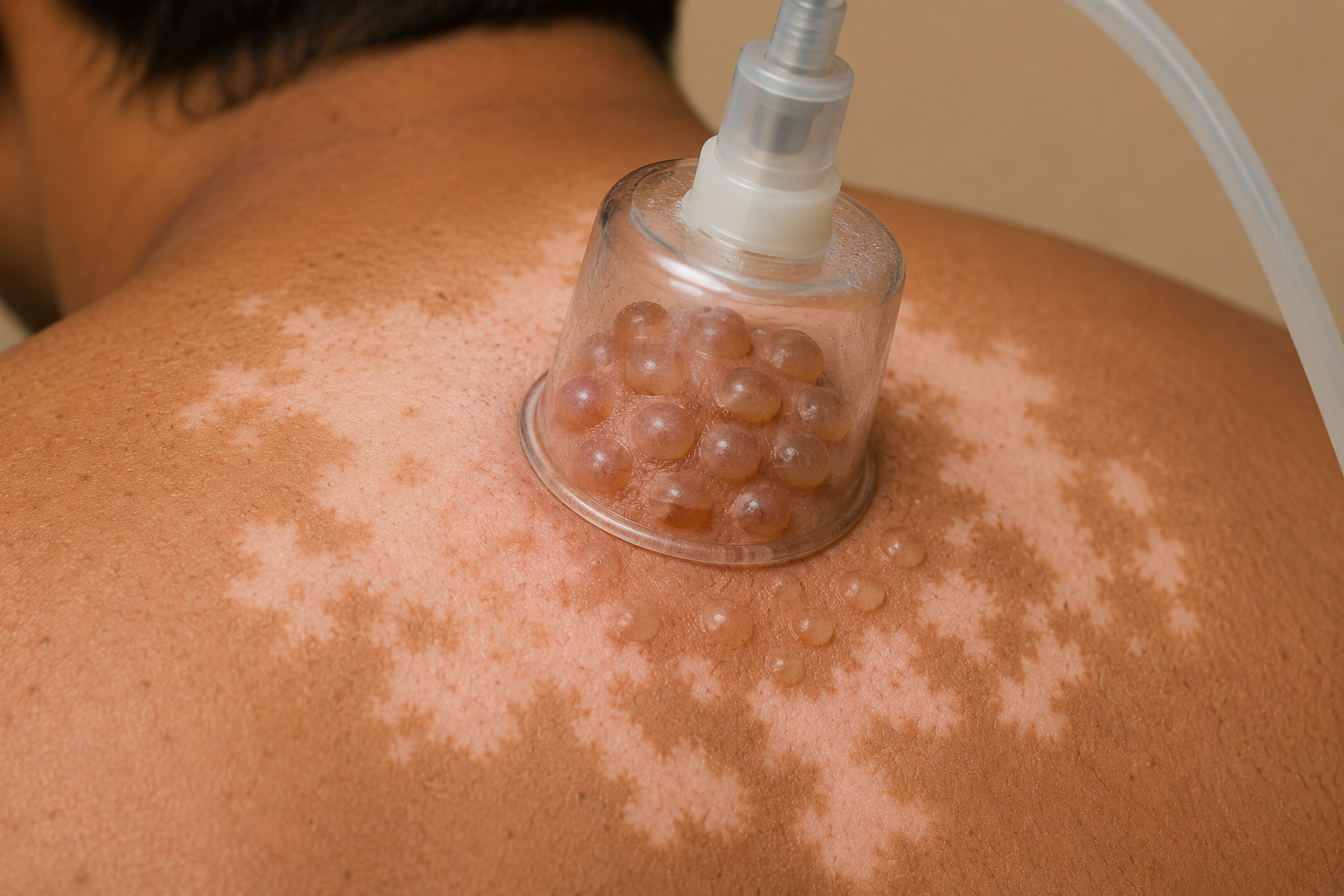
01 — Overview
What is
Suction Blister Grafting?
Suction Blister Grafting is a minimally invasive surgical procedure used to treat stable vitiligo by transferring thin layers of pigmented skin from a donor site to depigmented areas. The grafts are obtained by creating superficial blisters.
02 — Indications
Skin concerns this
treatment addresses
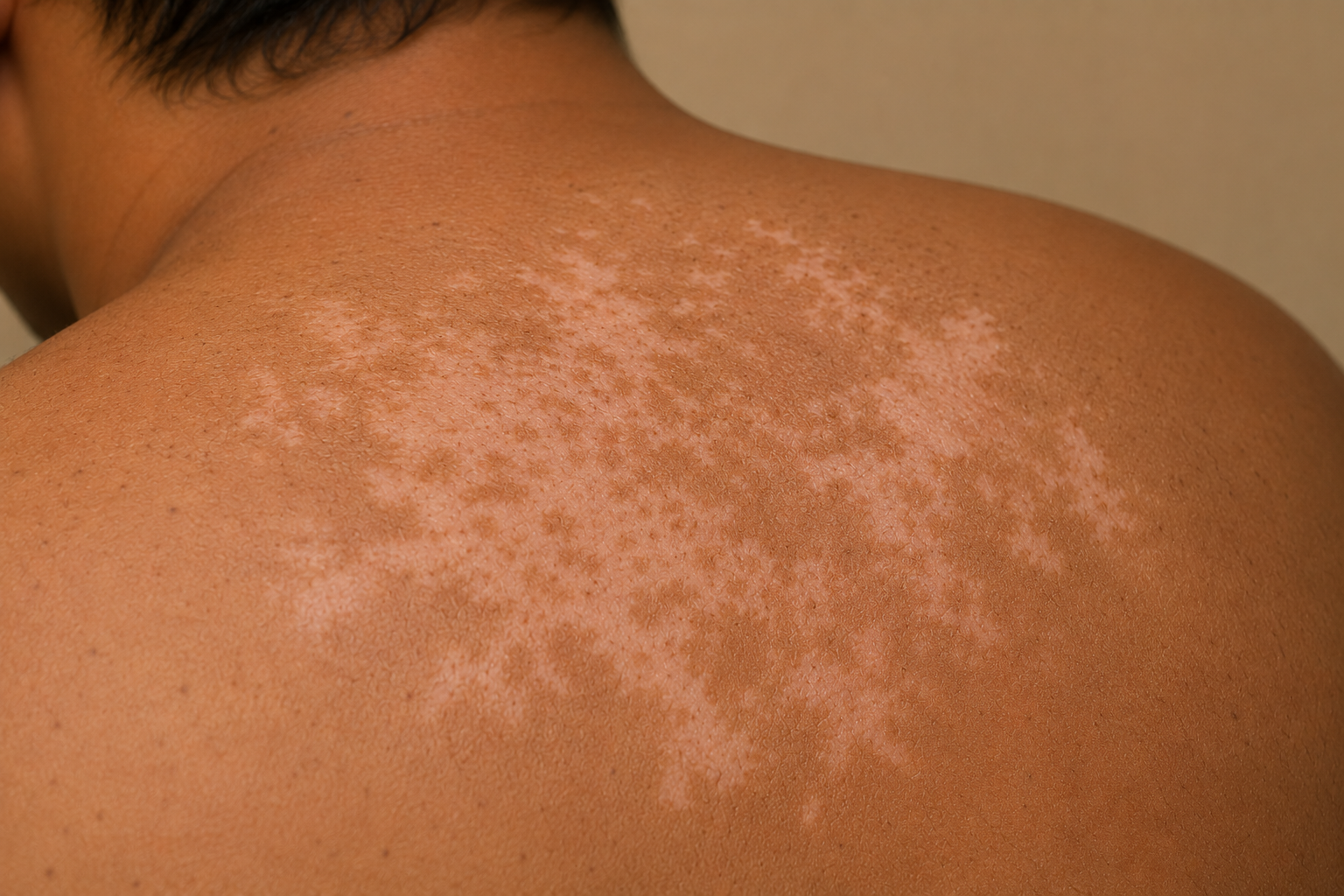
- Stable Vitiligo Patches
- Localized Depigmented Areas
- Resistant Vitiligo Not Responding to Medical Therapy
What your skin
gains from this
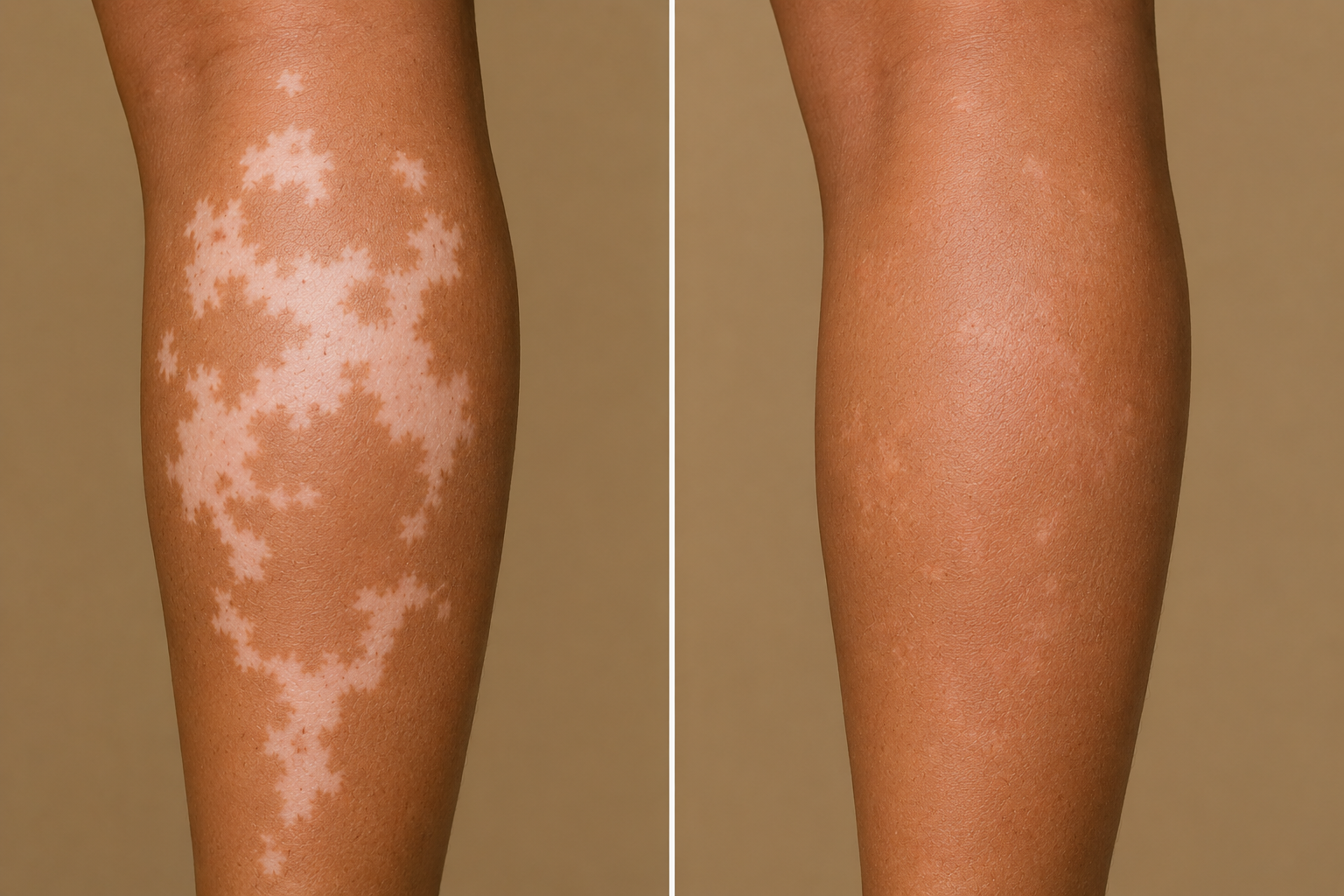
Natural-looking repigmentation as grafted skin integrates with the surrounding area, with minimal visible scarring.
Uniform, natural pigmentation
Delivers even, natural-looking repigmentation across the treated area
Minimal scarring
Superficial grafting technique keeps scarring at donor and recipient sites to a minimum
Good color match with surrounding skin
Thin, superficial grafts blend closely with the surrounding natural skin tone
Effective for small to moderate areas
Well suited to targeted, localized depigmented patches
Sessions Recommended
Days of Downtime
Best Practices
Prepare & Protect Your Skin
Follow these essential steps for optimal results.Before
Ensure vitiligo is stable before treatment
After
Follow post-procedure care strictly, and combine with phototherapy if recommended for enhanced results
Avoid
Movement or friction on treated areas